Table of Contents
ToggleMindfulness practices help people focus on the present moment without judgment. These techniques have gained popularity as effective tools for reducing stress and improving mental clarity. Whether someone wants to calm racing thoughts or simply feel more grounded, mindfulness offers practical methods anyone can learn. This guide explains what mindfulness practices are, where they come from, and how beginners can start using them today.
Key Takeaways
- Mindfulness practices involve paying attention to the present moment without judgment, helping reduce stress and improve mental clarity.
- These techniques originated over 2,500 years ago in Buddhist traditions and were adapted for Western medicine through Jon Kabat-Zinn’s MBSR program in the 1970s.
- Scientific research shows mindfulness practices lower cortisol levels, improve focus, enhance emotional regulation, and provide physical health benefits like better sleep and reduced blood pressure.
- Beginners can start with simple techniques like counting breaths, box breathing, or body scan meditation for just five minutes daily.
- Consistency matters more than duration—choose a specific time, create a dedicated space, and use guided apps like Headspace or Calm to build the habit.
- Mindfulness can be integrated into everyday activities like eating, walking, or washing dishes by giving full attention to the current task.
Understanding Mindfulness and Its Origins
Mindfulness is the practice of paying attention to the present moment with intention and without criticism. It involves noticing thoughts, feelings, and physical sensations as they happen. The goal is awareness, not control.
The roots of mindfulness practices stretch back over 2,500 years to Buddhist meditation traditions. Monks in ancient India developed these techniques as part of their spiritual practice. The word “mindfulness” comes from the Pali term “sati,” which means awareness or remembrance.
In the 1970s, Jon Kabat-Zinn brought mindfulness to Western medicine. He created the Mindfulness-Based Stress Reduction (MBSR) program at the University of Massachusetts Medical School. This eight-week program removed religious elements and focused on practical applications. It helped patients manage chronic pain, anxiety, and stress.
Today, mindfulness practices appear in hospitals, schools, corporate offices, and therapy sessions worldwide. Research from institutions like Harvard and Stanford has validated many benefits. What started as a spiritual discipline has become a mainstream wellness tool.
Mindfulness differs from relaxation, though relaxation often results from practice. The core idea is simple: pay attention to what’s happening right now. This sounds easy but requires consistent effort. Most people spend their days thinking about the past or future. Mindfulness practices train the mind to stay present.
Key Benefits of Mindfulness Practices
Scientific studies have documented numerous benefits of regular mindfulness practices. These advantages affect both mental and physical health.
Stress Reduction
Mindfulness practices lower cortisol levels in the body. Cortisol is the primary stress hormone. A 2013 study in Health Psychology found that participants who completed an MBSR program showed reduced cortisol responses to stressful situations. Regular practice helps people respond to challenges instead of reacting impulsively.
Improved Focus and Concentration
Mindfulness strengthens attention skills. Research published in Psychological Science showed that just two weeks of mindfulness training improved working memory and GRE reading comprehension scores. People who practice mindfulness report fewer wandering thoughts during tasks.
Better Emotional Regulation
Those who engage in mindfulness practices often handle difficult emotions more effectively. They create space between stimulus and response. This pause allows for thoughtful action rather than automatic reaction. Studies link mindfulness to reduced symptoms of anxiety and depression.
Physical Health Benefits
Mindfulness practices can lower blood pressure, improve sleep quality, and boost immune function. A 2003 study found that mindfulness meditation increased antibody production in response to flu vaccines. Chronic pain patients often report reduced pain intensity after learning mindfulness techniques.
Enhanced Relationships
People who practice mindfulness tend to communicate more clearly and listen better. They show greater empathy and less reactive anger. These skills strengthen personal and professional relationships.
Common Mindfulness Techniques to Try
Several mindfulness practices work well for beginners. Each technique offers a different entry point into present-moment awareness.
Breathing Exercises
Breathing exercises form the foundation of most mindfulness practices. They work because breathing happens automatically but can also be controlled consciously. This creates a bridge between involuntary and voluntary body functions.
The simplest technique involves counting breaths. A person sits comfortably, closes their eyes, and counts each exhale from one to ten. When thoughts interrupt, and they will, the counter simply returns to one and starts again. This isn’t failure: it’s practice.
Another option is box breathing. Inhale for four counts, hold for four counts, exhale for four counts, hold for four counts. Repeat this cycle for several minutes. Navy SEALs use this technique to stay calm under pressure.
The 4-7-8 breath offers another variation. Inhale through the nose for four counts, hold for seven counts, exhale through the mouth for eight counts. This pattern activates the parasympathetic nervous system and promotes relaxation.
Body Scan Meditation
Body scan meditation brings attention to physical sensations throughout the body. This technique helps people notice tension they didn’t know they were holding.
To practice, a person lies down in a comfortable position. They close their eyes and direct attention to the top of the head. Slowly, attention moves down through each body part: forehead, eyes, jaw, neck, shoulders, arms, hands, chest, stomach, hips, legs, and feet.
At each location, the practitioner notices any sensations without trying to change them. Tightness, warmth, tingling, numbness, all sensations receive equal, non-judgmental attention. The entire process takes 10 to 45 minutes depending on pace.
Body scan meditation often reveals the connection between emotions and physical tension. Stress might appear as tight shoulders. Anxiety might show up as a clenched jaw. Awareness is the first step toward release.
How to Start a Daily Mindfulness Routine
Starting mindfulness practices doesn’t require special equipment or extensive time. Consistency matters more than duration.
Start Small
Begin with just five minutes daily. Many people fail because they set unrealistic goals. A short, consistent practice builds the habit better than occasional long sessions. After two weeks, add another five minutes if desired.
Choose a Specific Time
Morning practice works well for many people. It sets a calm tone for the day before distractions pile up. Others prefer evening practice to decompress after work. The best time is whenever a person will actually do it.
Create a Dedicated Space
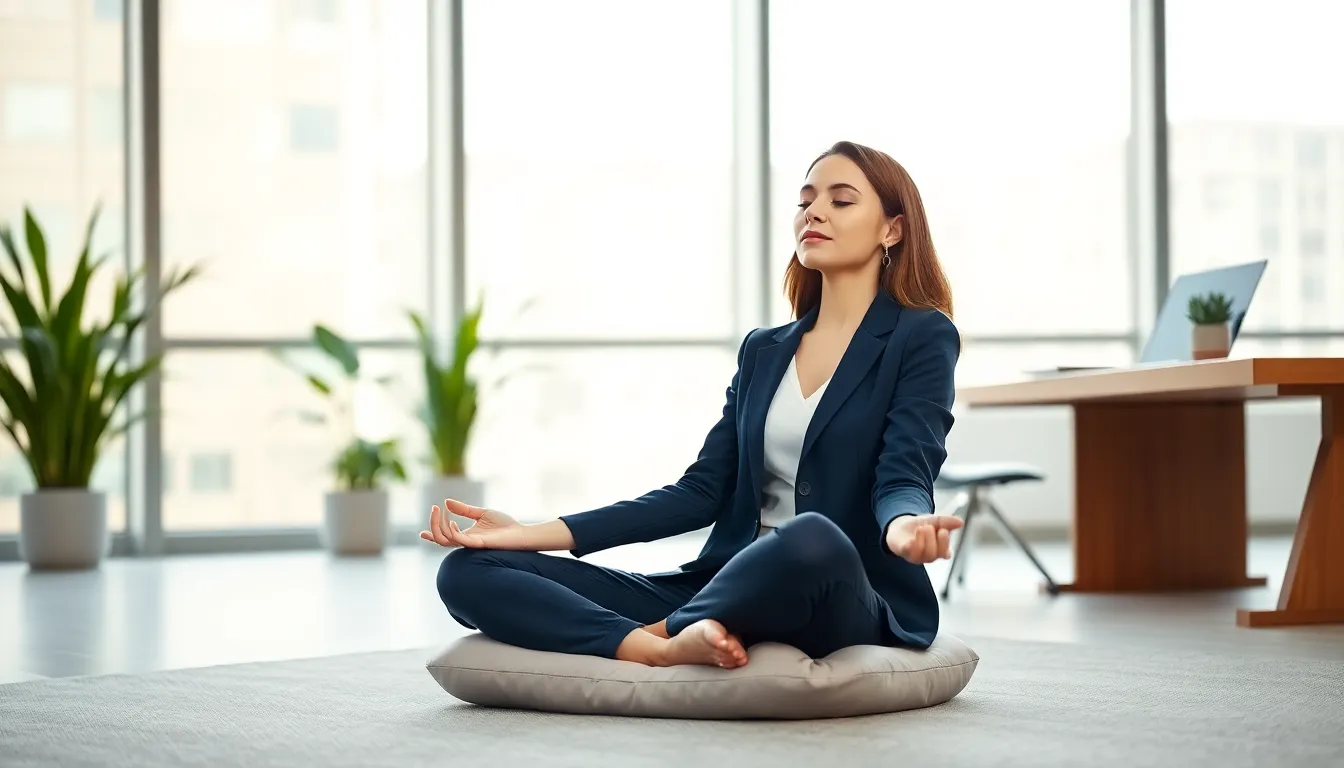
A quiet corner with a comfortable cushion or chair helps signal to the brain that it’s time for mindfulness practices. This space doesn’t need to be fancy. It just needs to be consistent and free from interruptions.
Use Guided Resources
Apps like Headspace, Calm, and Insight Timer offer guided mindfulness practices for beginners. These tools provide structure and instruction. Many people find it easier to follow along than to practice in silence at first.
Track Progress
A simple journal or app can track daily practice. Noting how long someone practiced and how they felt afterward creates accountability. Over time, patterns emerge that show what works best.
Be Patient with Distractions
The mind will wander. This isn’t a problem, it’s the entire point. Each time attention drifts and returns to the present, that’s one repetition of the mental exercise. Mindfulness practices strengthen attention through this repeated returning.
Integrate Mindfulness into Daily Activities
Formal sitting practice isn’t the only option. People can practice mindfulness while eating, walking, or washing dishes. The key is full attention to the current activity. Eat one meal without screens. Walk outside while noticing each footstep. These informal practices reinforce formal ones.