Table of Contents
ToggleMindfulness practices trends 2026 reflect a shift toward technology-driven, personalized, and community-focused approaches. The wellness industry continues to grow, and mindfulness sits at its center. People want tools that fit their schedules, match their stress levels, and deliver measurable results.
This year brings significant changes. Artificial intelligence now shapes how people meditate. Companies invest more in employee mental health programs. Virtual reality creates immersive calm spaces. Data helps individuals track their progress over time. And communities gather, both online and in person, to practice together.
These mindfulness practices trends 2026 signal a maturing industry. What started as simple breathing exercises has evolved into a sophisticated ecosystem of apps, wearables, and shared experiences. Here’s what to expect.
Key Takeaways
- Mindfulness practices trends 2026 emphasize AI-powered apps that personalize meditation sessions based on mood patterns, voice tone, and sleep data.
- Corporate wellness programs are investing heavily in mindfulness, with 67% of workers now considering mental health benefits when choosing an employer.
- Virtual and augmented reality tools are making immersive meditation accessible, with VR headset prices dropping below $300.
- Wearable devices and biometric tracking enable personalized meditation “prescriptions” that adapt to individual stress levels and goals.
- Community-based mindfulness is thriving through local groups, online platforms, and workplace team meditations that provide accountability and social support.
- The most effective approach to mindfulness practices trends 2026 combines technology for convenience with community for connection and belonging.
AI-Powered Mindfulness Tools and Apps
Artificial intelligence has transformed mindfulness practices trends 2026 in ways that seemed unlikely just a few years ago. Today’s AI-powered apps don’t just play calming sounds, they learn user preferences, adapt session lengths, and suggest practices based on mood patterns.
Apps like Calm and Headspace now use machine learning to analyze voice tone and typing patterns. If a user sounds stressed during an input, the app might recommend a shorter, more focused breathing exercise. If sleep data shows poor rest, the morning session might emphasize energy restoration.
Chatbots offer another layer of support. These AI companions provide 24/7 check-ins, ask meaningful questions about emotional states, and guide users through quick mindfulness exercises during difficult moments. They lack human warmth, sure, but they’re always available at 3 a.m. when anxiety hits.
The mindfulness practices trends 2026 also include AI-generated content. Some platforms create personalized guided meditations using synthesized voices trained on hours of instructor recordings. Users can request specific themes, durations, or background sounds. The result feels custom-made without requiring a human teacher for every session.
Privacy concerns remain valid. These tools collect sensitive emotional data. Reputable apps address this through transparent policies and local processing options that keep personal information on the user’s device.
Workplace Wellness and Corporate Mindfulness Programs
Corporate investment in mindfulness practices trends 2026 has reached record levels. Companies recognize that stressed employees cost money, through healthcare claims, turnover, and reduced productivity. The solution? Structured wellness programs that include meditation.
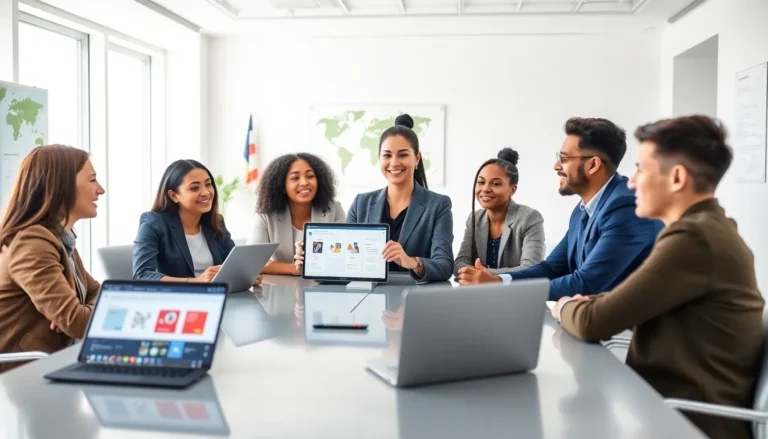
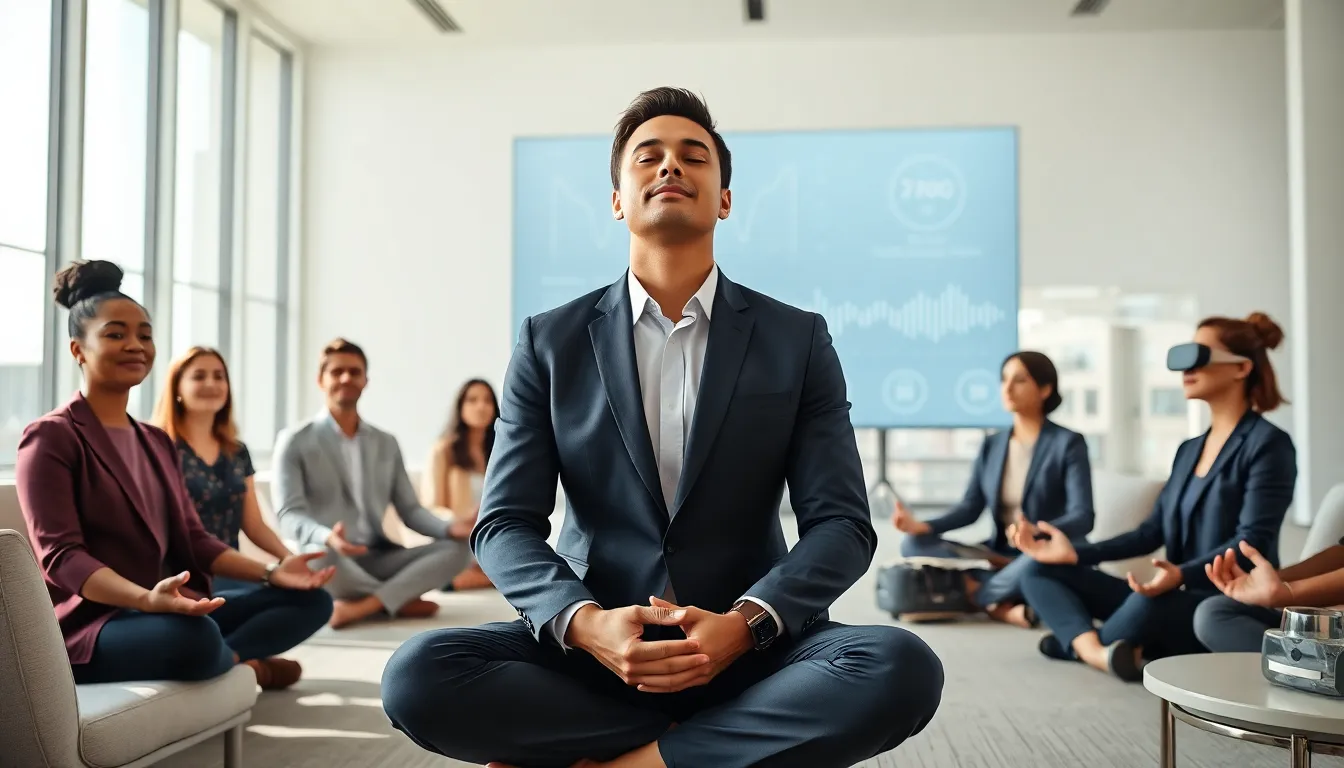
Large employers now offer dedicated meditation rooms, app subscriptions as employee benefits, and paid time for mental health breaks. Some organizations bring instructors on-site for weekly group sessions. Others integrate short mindfulness exercises into meetings.
The data supports these investments. Studies show that employees who meditate regularly report lower burnout rates and higher job satisfaction. One 2024 survey found that 67% of workers consider mental health benefits when choosing an employer. Companies that ignore mindfulness practices trends 2026 risk losing talent to competitors who prioritize wellness.
Small businesses get creative with limited budgets. They might share app subscriptions across teams, host virtual meditation lunches, or train managers in basic mindfulness techniques they can share with direct reports.
Remote work creates both challenges and opportunities. Distributed teams can’t gather in a physical meditation room. But they can join virtual sessions from anywhere. Some companies schedule “no-meeting” periods specifically for personal wellness activities, including mindfulness practice.
Leadership buy-in matters most. Programs succeed when executives participate visibly. Employees notice when their CEO takes meditation seriously, and they’re more likely to engage themselves.
Integration of Virtual and Augmented Reality Experiences
Virtual reality has moved from gaming novelty to legitimate wellness tool. Mindfulness practices trends 2026 include immersive VR experiences that transport users to peaceful environments, mountain peaks, quiet beaches, serene forests, without leaving home.
These experiences offer advantages over traditional meditation. People who struggle to focus find it easier when surrounded by a calming virtual space. The visual and audio immersion blocks distractions. A cluttered apartment disappears, replaced by a sunset over calm water.
Meta, Apple, and other tech giants have invested heavily in wellness applications for their headsets. Dedicated mindfulness VR apps now offer guided sessions, breathing visualizations, and interactive relaxation exercises. Some track eye movement and body position to provide feedback on focus and posture.
Augmented reality takes a different approach. Rather than replacing reality, AR overlays helpful elements onto the existing environment. A user might see gentle breathing prompts floating in their peripheral vision during a stressful work task. Or calming colors might pulse around the edges of their view during a guided session.
Mindfulness practices trends 2026 show particular promise in therapeutic settings. Therapists use VR to help clients with anxiety disorders practice mindfulness in controlled, gradually challenging environments. Someone afraid of crowds might meditate in a virtual space with slowly increasing background activity.
Accessibility improves as headset prices drop. What cost $1,000 in 2020 now costs under $300. This price reduction brings VR mindfulness within reach for more people.
Personalized and Data-Driven Meditation Approaches
Generic meditation guidance no longer satisfies users. Mindfulness practices trends 2026 emphasize personalization powered by biometric data and behavioral tracking.
Wearable devices play a central role. Smartwatches and fitness trackers measure heart rate variability, sleep quality, and stress indicators throughout the day. Apps use this data to recommend optimal meditation times and techniques. If someone’s heart rate variability drops, a sign of stress, they might receive a prompt for a quick calming exercise.
Some platforms now offer meditation “prescriptions” based on comprehensive assessments. Users answer detailed questionnaires about their goals, challenges, and preferences. The system creates a multi-week program that adjusts based on reported outcomes and tracked metrics.
Mindfulness practices trends 2026 also embrace genetic and neurological data. A few companies analyze DNA to suggest meditation styles that might suit individual stress response patterns. Others use EEG headbands to measure brain activity during sessions, showing users when they’ve achieved deeper states of focus.
Progress tracking keeps people motivated. Dashboards display streaks, session lengths, and improvement over time. Users can see concrete evidence that their practice makes a difference, not just subjectively, but in measurable biometric changes.
Skepticism about these approaches exists. Some argue that over-quantifying meditation misses the point. The goal isn’t optimal metrics, it’s present-moment awareness. Still, for people who respond to data and gamification, these tools provide helpful structure and motivation.
Community-Based and Social Mindfulness Movements
Even though all the technology, mindfulness practices trends 2026 show strong growth in community-based approaches. People want connection. Meditating alone helps, but practicing with others adds accountability, shared energy, and social support.
Local meditation groups have multiplied. Community centers, libraries, and yoga studios host free or low-cost sessions. Parks department programs include outdoor mindfulness walks. Religious organizations offer secular meditation alongside spiritual practices.
Online communities fill gaps for those without local options. Platforms like Insight Timer connect millions of practitioners worldwide. Users can join live group meditations, share experiences in forums, and find accountability partners. Some platforms match people in small meditation pods that meet virtually each week.
Mindfulness practices trends 2026 include social media integration, though with mindful limits. Apps let users share achievements and streaks without constant notification pressure. The focus stays on encouragement rather than competition.
Corporate programs increasingly emphasize group practice. Team meditations build connection among colleagues. Shared experiences create common language around stress management and emotional regulation.
Youth movements deserve attention. Schools integrate mindfulness into curricula. Student-led meditation clubs grow on college campuses. Young people who learn these practices early carry them throughout life.
The combination of technology and community defines modern mindfulness. Apps provide convenience and personalization. Communities provide belonging and mutual support. The most effective practitioners use both.